
Eliza Bentz, a new roster artist at the gallery who completed her MA in 2025, has recently been selected for two museum exhibitions, Women to Watch 2026: A Book Arts Revolution and Seams to Be: New Approaches to Textile Techniques, which showcase female artists from or working in Georgia who are expanding contemporary textile practices.
Georgia Women to Watch 2026: A Book Arts Revolution is organized by the Georgia Committee of the National Museum of Women in the Arts (NMWA). Every two years, the NMWA selects a theme for a national exhibition in Washington, DC, and regional committees across the country organize parallel exhibitions from which artists are nominated for the museum’s presentation. The NMWA exhibition, curated by book artist Cynthia Nourse Thompson, explores expanded definitions of the book, highlighting artists who approach the format conceptually through materials, systems, and structures beyond the traditional bound page.
At the same time, the artist’s work is also included in Seams to Be: New Approaches to Textile Techniques, a traveling museum exhibition that brings together women artists working in textiles or textile-based processes across Georgia. The exhibition explores contemporary approaches to fiber, weaving, and textile-informed sculpture while tracing the enduring relevance of these techniques in contemporary art.
In this conversation, Bentz shares her inspirations, process, and the work she is presenting in these exhibitions.
Your work is included in Georgia Women to Watch 2026: A Book Arts Revolution, which celebrates the book as an artistic medium. What drew you to participate in a project centered on the book, and how does your work relate to this format?
The exhibition was curated by Cynthia Nourse Thompson, who is a book artist herself and approaches the book as a much broader conceptual form—something that can exist beyond the expectations of pages, covers, and a spine.
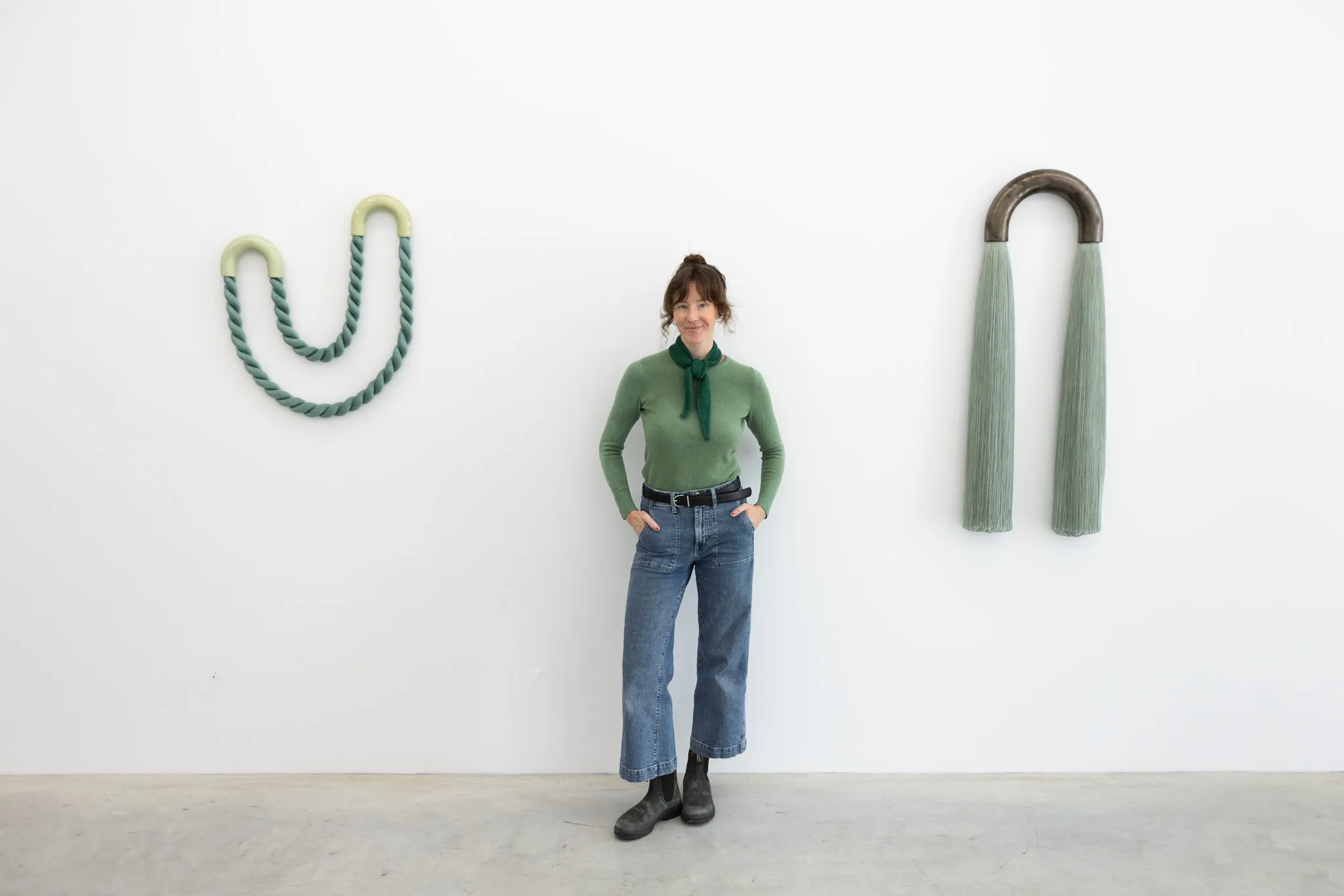
My work was included for its communicative qualities and for the way it operates at the intersection of text and textile. Thompson selected pieces from my Binary Weavings series, where I encode written language into woven structures by translating binary code into a visual language of black and white squares. The exhibition also includes works from my Ceramic Curves series, which formally reference the shapes of letters and the visual structures of language.
In both cases, the work treats material form as a system for communication, which aligns closely with the conceptual possibilities of the book as a container or transmitter of information.
Materiality plays an important role in your practice. How do the tactile qualities of your materials contribute to the way viewers experience your work?
As a textile artist, material is everything. Many people don't consider the relationship they have with textiles - we're clothed in and surrounded by them our entire lives. When someone encounters my work, I want them to have a visceral connection to the textile component. It should feel familiar, but also elevated through context. This isn't the kind of fiber you encounter in your clothing or furniture, but something else entirely. It speaks to our need for protection and survival, but also our desire for aesthetic beauty.
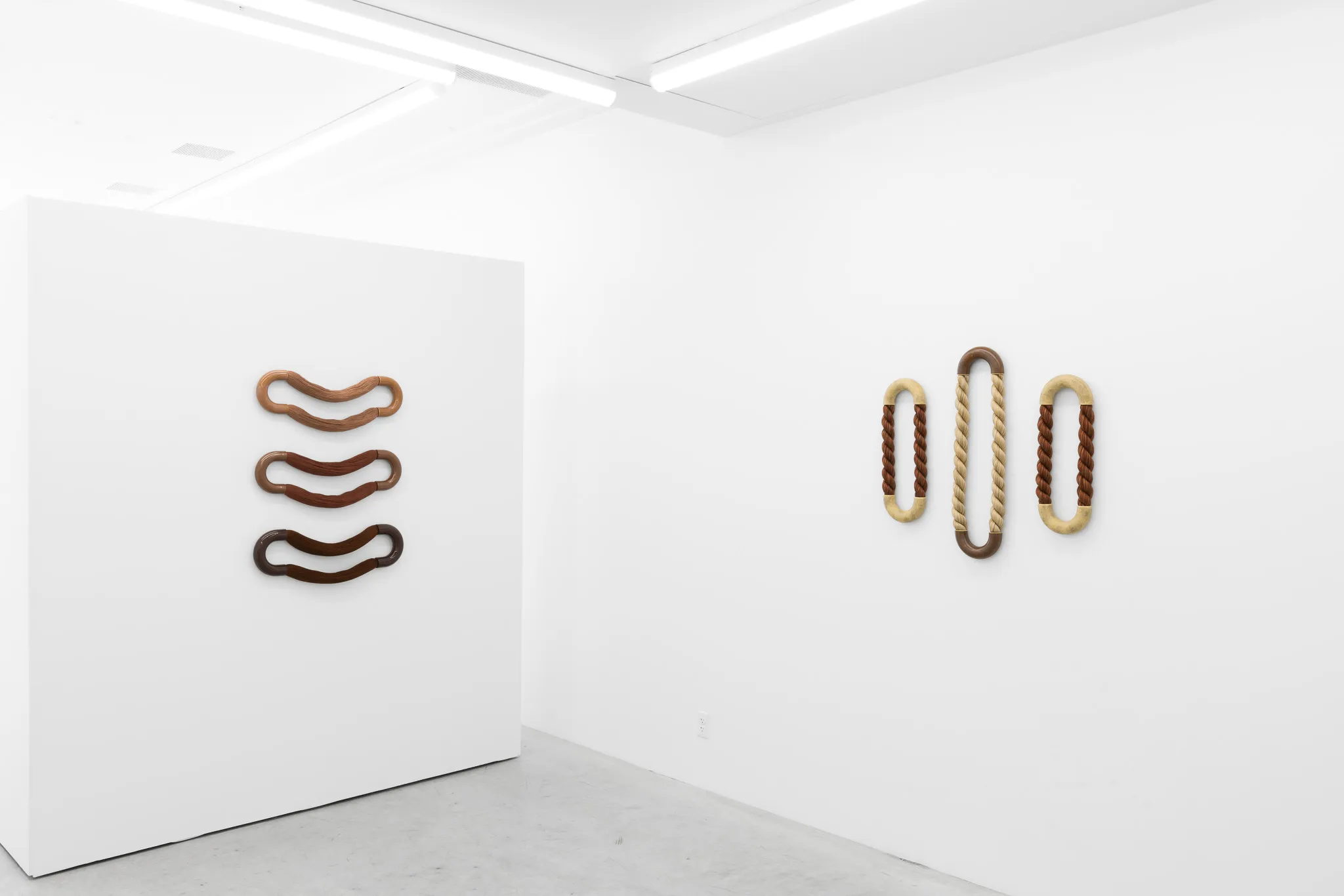
Installation view: Over and Over, Again and Again
Repetition is central to many of your works. What role does sustained, repetitive making play in shaping both the physical form and conceptual meaning of your pieces?
One thing about me: I love a system - t’s the Virgo in me. I was drawn to repetitive processes like knitting and weaving very early in my life and education.
Repetition allows the mind to wander while the hands carry out the task. It can feel meditative and ritualistic. At the same time, it’s inseparable from the history of textile production. You can’t really separate repetition from woven cloth - both physically and conceptually.
Systems also create rules. They limit the range of actions available to you, which makes the process more about discovering possibilities within a fixed structure. That narrow window of behavior becomes a space for experimentation, and that tension between constraint and possibility is something I find really generative.
When someone encounters my work, I want them to have a visceral connection to the textile component. It should feel familiar, but also elevated through context. This isn't the kind of fiber you encounter in your clothing or furniture, but something else entirely. It speaks to our need for protection and survival, but also our desire for aesthetic beauty. —BENTZ
Many book artists think about the book as a container of ideas or stories. Do you see your work as containing or transmitting something - whether memory, gesture, or structure?
Absolutely. Historically, textiles were one of the ways women recorded information about their lives during periods when their histories were otherwise overlooked. Material choices, regional styles, skill level, and imagery could all communicate information about the maker.
Weaving also has an unexpected relationship to technology. The woven grid functions as an early binary system, and loom punch-card technology developed in the nineteenth century directly influenced the design of early computing machines.
In that sense, woven fabric can be understood as a very early form of information storage and transmission - one that predates many other forms of recorded communication.
Your work often sits between craft, sculpture, and conceptual art. How do you navigate these categories, and do they matter to you?
The boundaries between craft, sculpture, and art are definitely blurry, but they can still be meaningful distinctions.
I tend to think of “capital A” art as being driven primarily by concept, where materials become a vehicle for expression. Craft, on the other hand, is deeply tied to material skill and process. It’s tactile and repetitive, and historically it’s often been connected to function.
What interests me is the space where those categories overlap. I enjoy bringing traditional craft processes into a context where their function shifts toward expression rather than utility. When I weave or sculpt vessels, I’m referencing techniques that were historically tied to survival and daily life, but the works themselves are purely decorative. They acknowledge those traditions while allowing them to move into a more conceptual space.
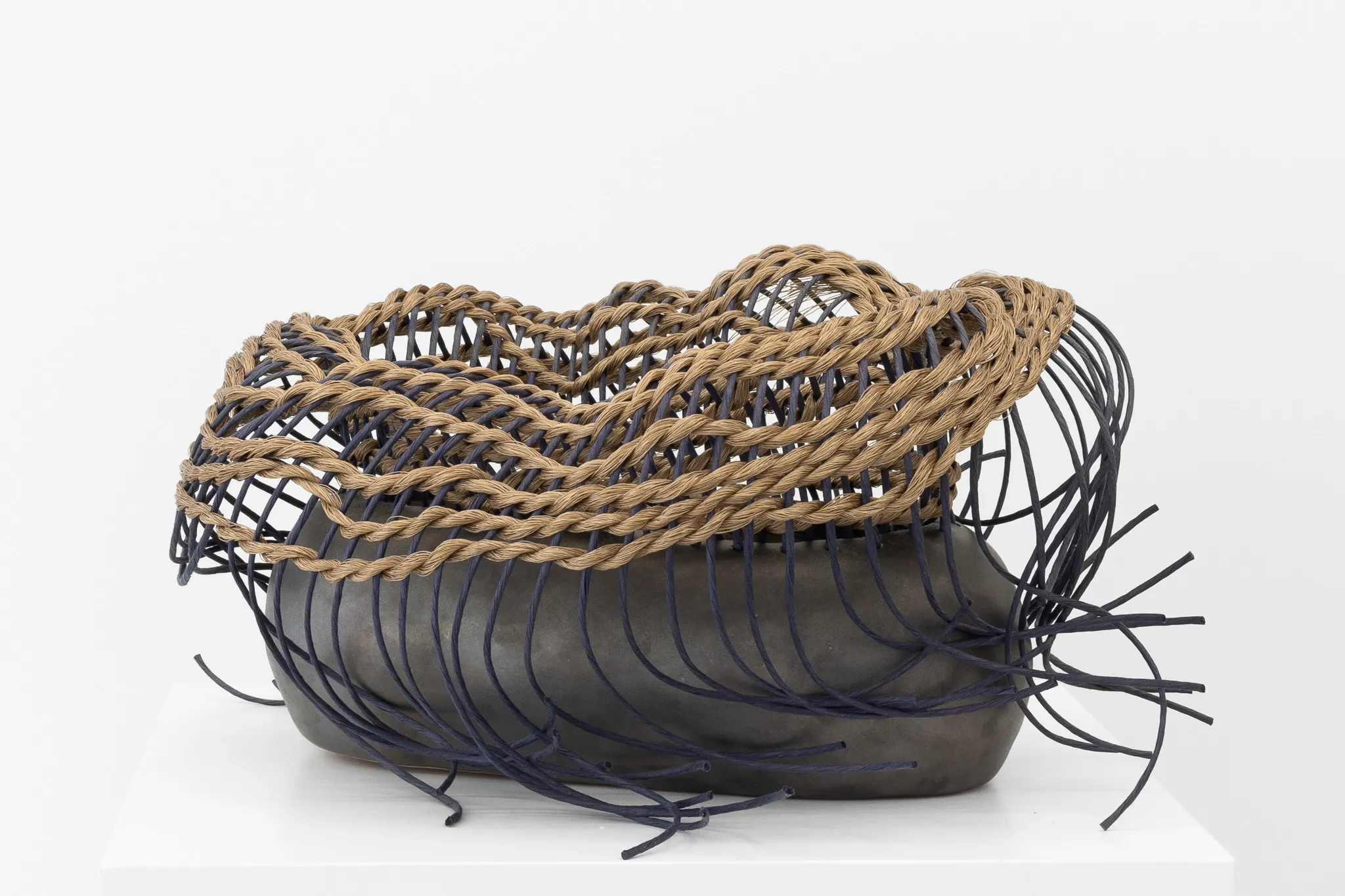 Out Of the Deep, 2026
What do you hope viewers take away from encountering your work in the context of these exhibitions?
I hope viewers experience the work in a way that reconnects them to something physical and immediate.
The materials themselves are not precious - they’re familiar and everyday, but the transformation of those materials into form can create a sense of value. Ideally, the work invites viewers to think more deeply about their relationship to the objects that surround them and to the physical world more broadly.
How do you think contemporary audiences are engaging differently with tactile or handmade forms in an increasingly digital world?
We’re constantly flooded with digital images and information. Because of that, people are increasingly drawn to experiences that reconnect them with their senses and with their bodies.
There’s also a growing awareness of where objects come from - how they’re made and what their life cycles look like. Handmade work creates a kind of intimacy that’s harder to find elsewhere. Craft reminds us of a time when materials were local, recognizable, and directly tied to survival.
In many ways, people are hungry for that kind of authenticity. You can’t get much more real than something made by hand.
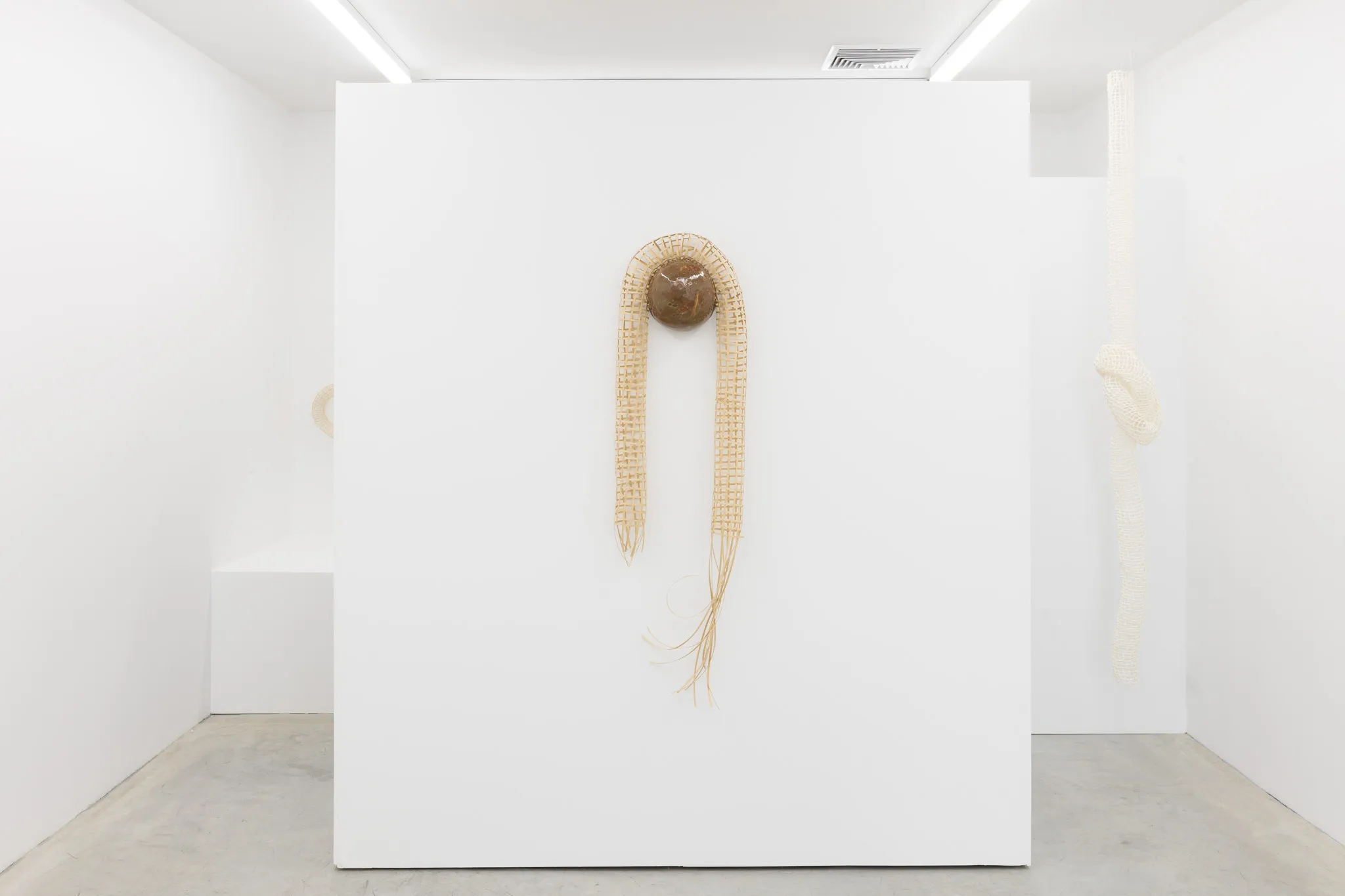
Installation view: Over and Over, Again and Again
A+W: Has participating in these exhibitions shifted the way you think about your work or opened new possibilities for future projects?
BENTZ: This moment coincides with a lot of personal transitions for me. I recently completed my master’s degree, moved, and began teaching at a university, where I’m helping pass craft knowledge on to the next generation.
I’m also adjusting to new rhythms of making. I’ve returned to the Georgia coast, where I grew up, and the landscape there has always been a huge source of inspiration for me. I’m excited to see how those surroundings begin to shape the next phase of my work.
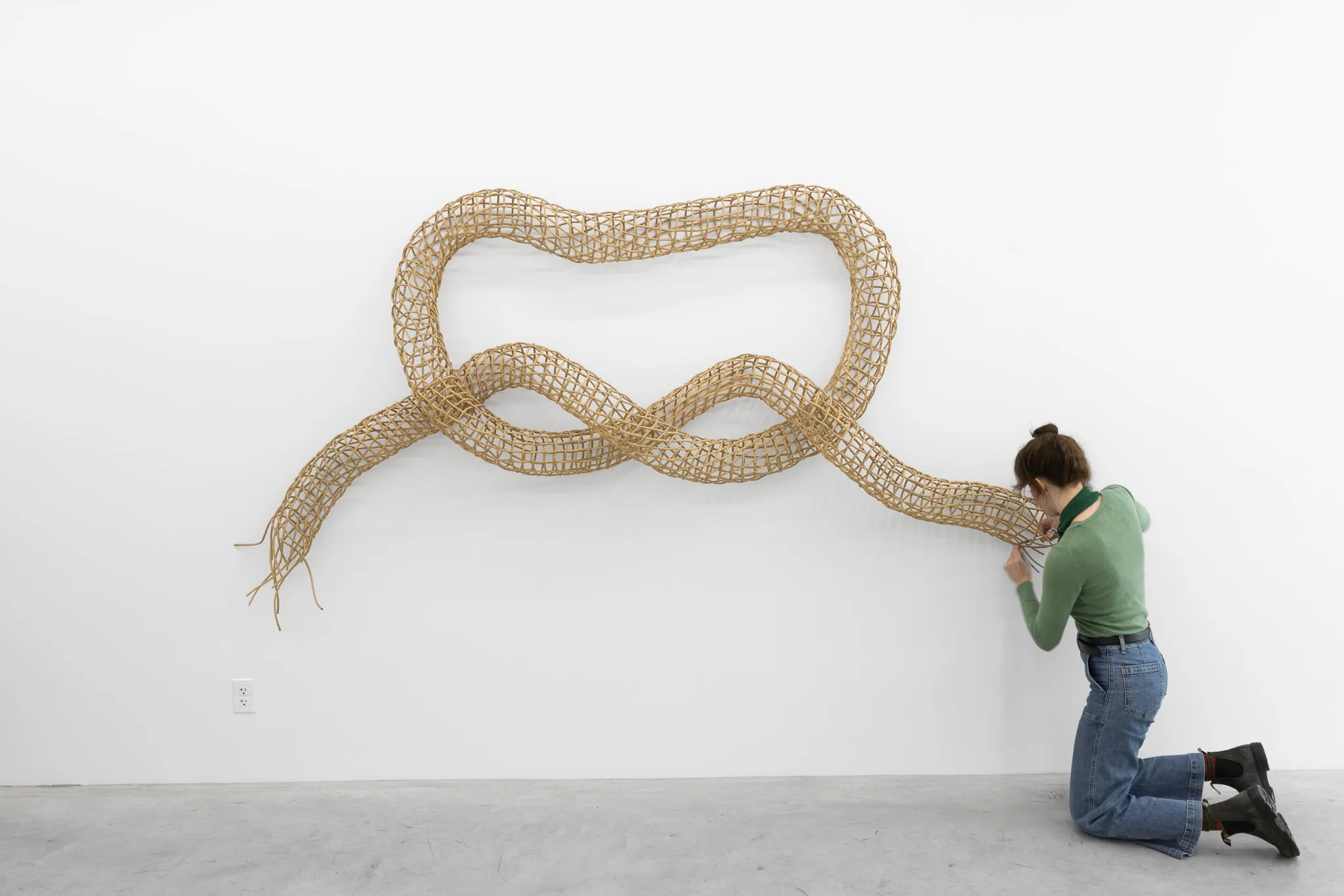
Bentz in the gallery
Eliza Bentz's work is featured in a solo exhibition at the gallery, Over and Over, Again and Again, running until March 28th, 2026.
For more information on available works by the artist, contact gallery@ardenandwhitegallery.com
